Chief Executive of Radix UK since 2019, Ben is a political strategist, writer and broadcaster. In 2021, he led the merger between Radix think tank and the Big Tent Ideas Festival and he continues to take overall responsibility for Radix Big Tent’s growing programme to promote system renewal.
Former Chief of Staff and Campaign Director for then Liberal Democrat Leader, Tim Farron MP, Ben was also previously Chief Executive of the Movement for Reform Judaism and prior to that a Partner at City Public Relations firm, Luther Pendragon.
The Unholy Alliance of Short-Term Politics and Short-Term Finance
Britain’s investment system is amongst the most efficient in the world at moving money from A to B, but it is fragmented, risk averse and so misdirects the trillions of pounds at its disposal, leaving the UK economy struggling for effective capital. At the core of the issue is a short termism that arises from both political and financial timidity and a lack of a common understanding.
Nearly two decades on, the experience of the financial crisis drives the regulation of the financial system, but while politicians and bankers are focussed on the lessons of the last crisis, they are failing to understand the needs of savers and the broader economy, which will ultimate lead us to – at best - economic stagnation and, at worst, a different crisis of ineffective underinvestment.
By failing to acknowledge the different demands for short-term and long-term liquidity, financial regulators and politicians are preventing the investment system from doing what we need it to do to grow our economy: to provide the funds to drive business growth, create nice places to live, support a net zero transition and generate the best incomes for pensioners.
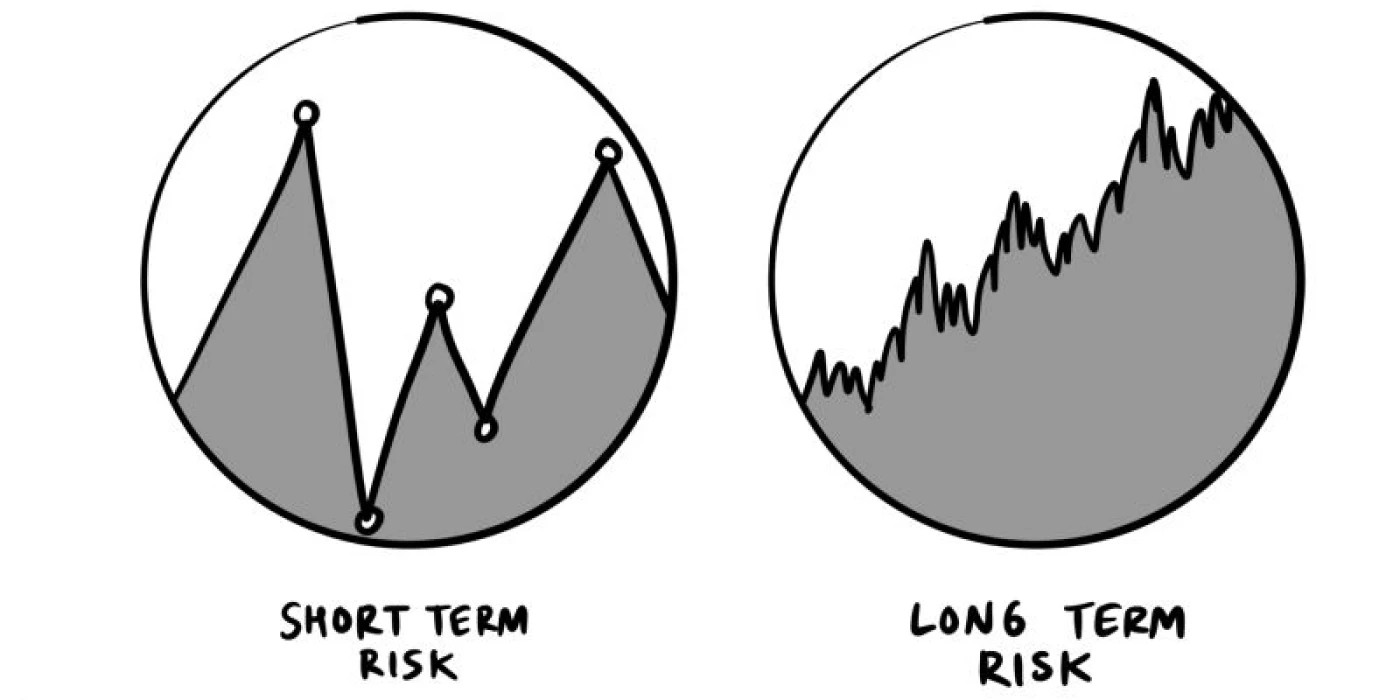
Instead of focussing almost exclusively on short-term risk, we need politicians and the finance industry to consider how best to release more ‘patient capital’ for productive investment in the interests of both parties.
Previous attempts to achieve this have often failed or had unintended consequences in part because of the complex nature of the investment system, but also because asset allocators and politicians have formed a risk averse coalition that is serving no-one’s long term interests.
To take just one example: rather than encourage asset allocators to identify long term opportunities for investment in UK businesses, a safety-first approach has developed in which all too often they simply track global indices. This approach might suit the leading global US fund managers who require deep pools of liquidity, but in practice it drives 50% of UK investment funds to the US, half of which goes to the seven leading US tech businesses, capital they then use to buy our own nascent tech businesses. By directing more money to Amazon that the entire UK economy, this strategy is denying us the economic growth we need for long term success.
Ultimately it falls to our political leaders to create the right incentives for investors and the right mandates for regulators so that such perverse strategies are eliminated. But that requires them to understand the different currencies in which politics and finance deal: financial systems seek to maximise returns whereas democratic political systems seek to maximise votes.
In many countries in recent decades, an unhealthy alliance based on a common misunderstanding has developed between risk averse financiers and politicians who want capital to gain voter support for the next election. Politicians want the financial system to protect returns for the short term, rather than improve long-term outcomes. While financiers want to maximise short-term returns for individuals, rather than the collective return for society.
The real absurdity is that the savers of today so often have no interest in these short-term returns as they won’t see the income from the pensions used for this investment for one, two or three decades into the future.
The unhealthy fixation on the short-term is further compounded by the demands of an ever-hungry 24-hour news cycle that encourages politicians to worry more about tomorrow’s news headlines than the long-term interests of the economy, especially where those fall on the other side of a general election.
Financial institutions suffer from their own version of short-term risk aversion. Short-term damage to their profits and share prices outweigh long-term investment strategies. And regulators understandably focus on their short-term reputations and avoiding scandals rather than generating growth, tackling inequality or promoting social cohesion, which are frankly not their concern…unless politicians mandate it.
Of course, politicians in almost all democratic countries understand the need to address the growing concerns of disillusioned voters: the cost of living, the lack of opportunity and social mobility, the climate threat and declining high streets. What they have failed to do until now, however, is understand the central role that reform of the investment system can play in helping to address these concerns.
Politicians can mandate changes to the management of risk and liquidity which will, in turn, help to drive beneficial behaviours throughout the rest of the financial system. These must be backed up by support for the direction of productive capital to long term investment, domestic growth businesses and much needed infrastructure.
Helping politicians to understand and deliver such changes is the role of the investment systems programme partnered with Radix Big Tent - New Capital Consensus.
Through research and analysis, we aim to identify the obstacles to reform.
Through convening stakeholders from across politics and finance we seek to help them each to understand the challenges they face and the behaviours which prevent reform.
And through systems-based analyses we will make recommendations as to where best to exert pressure and which policy levers can deliver change.
Central to all our work to-date is an understanding of what risk means, and the difference between the short-term and the long-term. All too often politicians’ eyes glaze over when such issues are discussed and yet the solutions to the challenges that most keep politicians awake may lie in a long hard look at our investment system.
It’s time for a new consensus about how we use our capital.
Rate this post
Leave a comment
Please login or register to leave a comment on this post.