Opinions
Programmes

Opinions
Programmes
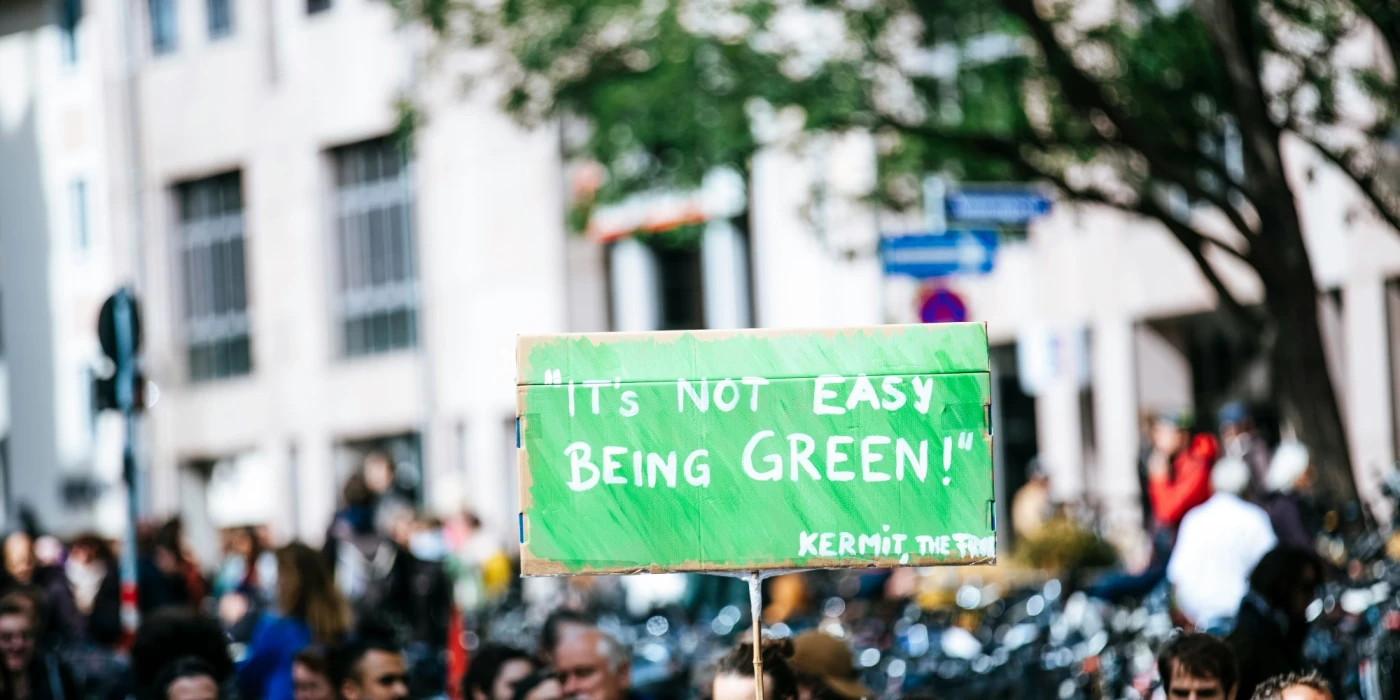
Photo by Markus Spiske on Unsplash
By Hani Salih, Health on the High Street Programme Lead
Although the majority of political coverage over the last year has been concerned with the spectacular comings and goings of the Labour party, the Greens have been quietly knocking on the door of the Labour Party. Buoyed by a landmark win over Labour in its Northern heartlands, the Green Party has been looking to increase its political footprint to capitalise on its recent electoral fortunes.
In the dying days of Starmer’s leadership, and the subsequent chaos of the will-they-won’t-they of Andy Burnham’s tantalising ascent to the throne, the Greens were suddenly vying with Labour and Conservatives in the polls. Capturing the same narrative of a state failing its electorate as Reform, the Greens retorted with a much more optimistic and markedly less authoritarian vision for the nation, making gains at the expense of a fragmented Labour Party.
This momentum however has recently hit some notable speedbumps. With the ascent of Burnham to the premiership, Labour has regained its footing and is enjoying higher favourability ratings in polls. Seeing off the Green Party’s pressure by adopting more overtly progressive ideas, primarily through promises to bring back public control to housing, water and energy.
Increased scrutiny of the Party and its leader Zack Polanski have also meant that the Greens have been on the defensive for the last few months. Even before this week’s headlines surrounding the Party’s ‘Zionism is Racism’ motion there was a drop off in their poll numbers, although they continue to run neck and neck with the Lib Dems at the time of writing.
Much has been made of the Green’s position on Gaza and the impact it may have had on their electoral success, earlier this year. This is especially where Labour voters felt let down by the relative absence of any meaningful criticism of Israel’s actions by the Party.
However, the Green Party’s vote on Zionism is Racism policy presents a particular challenge. The motion was passed on the final day of the conference and calls Zionism an inherently racist ideology. Since the motion was endorsed by a majority of voters at the conference (1,022 votes to 813), the Party has received much backlash. The Party’s top brass have distanced themselves from this motion, with a number of higher ranking members abstaining from the vote, and even issuing statements clarifying their opposition to the policy.
This affair feels like a serious misstep for the party. Perhaps intended as an attempt to push further to the left on the issue of Palestine, it has only mired the party in a long debate around discrimination and has detracted the media and the public from the Party’s main talking points. It has put them on the defensive for no real political gain whilst also alienating a swathe of Jewish voters by flattening a long and complicated history of the idea into a singular ideology.
Until recent events, the Greens most notable recent victory over Labour in the Gorton-Denton by-election presented what felt like a unique narrative shift for the party. The election of local voice, Hannah Spencer - a local plumber and plasterer in training at the time of the election - spoke much more directly to the lived conditions in which the electorate found themselves than the party had previously managed.
In recent years, the Greens have gone from what had been perceived as a party of the well-to-do middle classes, focussed solely on environmental issues, to champions of the left, winning in cities and towns across the country. This shift to a more collective and intersectional set of policies has slowly but surely begun to resonate with a wider coalition of voters.
This feels like a new generation of the Green Party: a reckoning that in order for their message to speak to voters they need to perhaps demonstrate an on-the-ground realism about what the felt, everyday, effects of climate change are like. Recognising that a sweeping and progressive platform is a meaningfully green one. It’s potentially an exciting shift, taking the ideological fight right to the other parties by providing an alternative political narrative around immigration, climate change and jobs not rooted in concession but in spirited optimism.
Sitting there in the giant bustling hall in Brighton Centre, the hubbub from the morning’s first few sessions is still very much present in the room. The words REAL HOPE. REAL CHANGE. emblazoned on green banners hung high as the opening ceremony to the conference was in full swing. This year’s Green Party Conference felt like a small moment of celebration for the party.
Opening speeches, with the exception of Polanski’s own, very coyly pointed towards today's Holborn and St Pancras by-election. This election presents the first opportunity to not only test the electoral palatability of Green Party leader Zack Polanski in a relatively favourable context - London being the heartland of the modern progressive voice - but also an opportunity to directly challenge Labour’s resonance with this said audience.
For the Party, a victory here would be yet another vote of confidence. It would help give even more credence to the Party’s credentials as the Greens are the only mainstream political party with a leader that is not a sitting MP as it stands (Lord knows what’s going to happen with Clacton in the next few months or so). However, this is a huge gamble as defeat here could seriously damage the Party’s viability as a genuine political contender, rather than a dissenting voice at the edge of British politics.
The critical challenge for Greens now is to present themselves as a unique enough option for the electorate, one that is pragmatic and can deliver change. When faced with Starmer's rather sterile technocratic political platform, a Labour Party in complete disarray and a total absence of an organised mainstream Leftist party, it was simple to sell the Party’s broadchurch policies driven by a hopeful kind of politics to voters. Whether the Party can provide enough of a unique voice consistently in the face of more organised, and seemingly more competent/electorally palatable opposition is another question.
“Vote Green, watch Labour move”
Polanski has been open about the pressure that their electoral success has been exerting on Labour, promising to continue to influence national policy from the margin. The influence that the Greens have had on government is tangible. Earlier this Autumn, UK Foreign Secretary Ed Miliband presented the first major shift in the party’s position on Gaza, announcing the first sanctions levied by the United Kingdom on goods and products from the West Bank.
Barring a snap election, the next few years ahead of the general election in 2029 will present a balancing act for the Greens. A test of whether they can continue to push Burnham’s government further to the left, but also if they can remain electorally relevant. Translating their recent momentum into political staying power requires careful positioning, alongside just the right combination of circumstances. Today’s by-election results will likely present a major inflection point for the Green Party in its quest to become a permanent fixture in British politics.
Blogs carried on this site reflect the independent views of their authors, not the position of Radix Big Tent. Throughout the conference season different members of our team will be attending each of the party conferences and will report back on their main takeaways. We hope you will find these blogs thoughtful and provocative regardless of your own party allegiances, and we welcome your responses to them to hello@radixbigtent.org.uk.